
Stone Ends Farm: how remote monitoring protects peatland and supports carbon sequestration
By skentel Group Limited and Stone Ends Farm
As a LEAF net zero pilot farm, Stone Ends needed to protect their peatland's carbon sequestration while maintaining sustainable farming operations. Remote sensors now track water tables and rainfall continuously, providing the data needed for environmental stewardship without the physical burden of manual readings.
Time freed
for core operations
24/7 automated
data tracking
Record of effectiveness of interventions
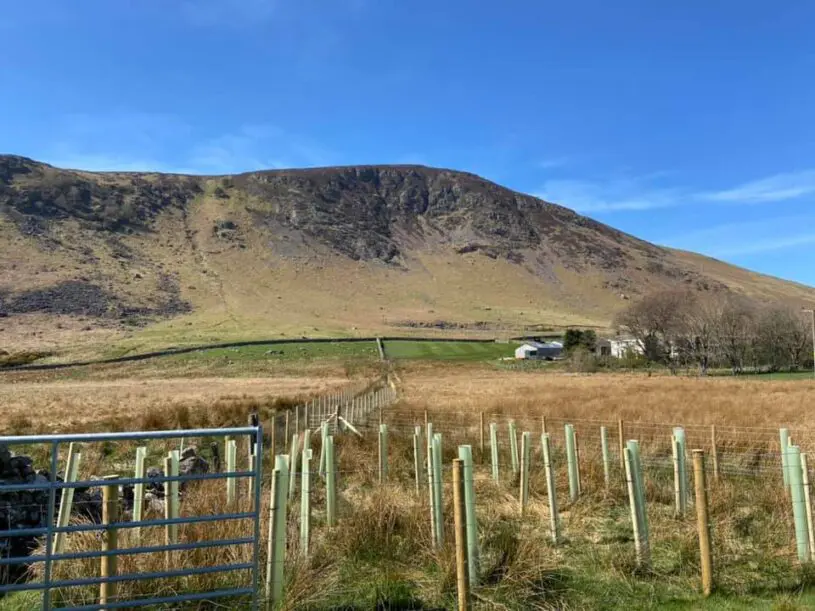
Stone Ends Farm is a traditional Cumbrian hill farm with family connections back to the 1800s, committed to balancing sustainable food production with nature conservation.
As one of five pilot farms selected by LEAF (Linking Environment And Farming) for their net zero project, the farm discovered that some of their fields have very high levels of organic matter (in some cases upto 75%) -primarily because of peat—making them a natural carbon sink.
The challenge
Maintaining optimal water table levels is crucial for peat conservation: when levels drop too low, peat deteriorates and releases CO2 into the atmosphere.
Manual water table monitoring through dip-wells was time-consuming, physically demanding, and provided only sporadic data points, making it impossible to measure the effectiveness of rewetting strategies.
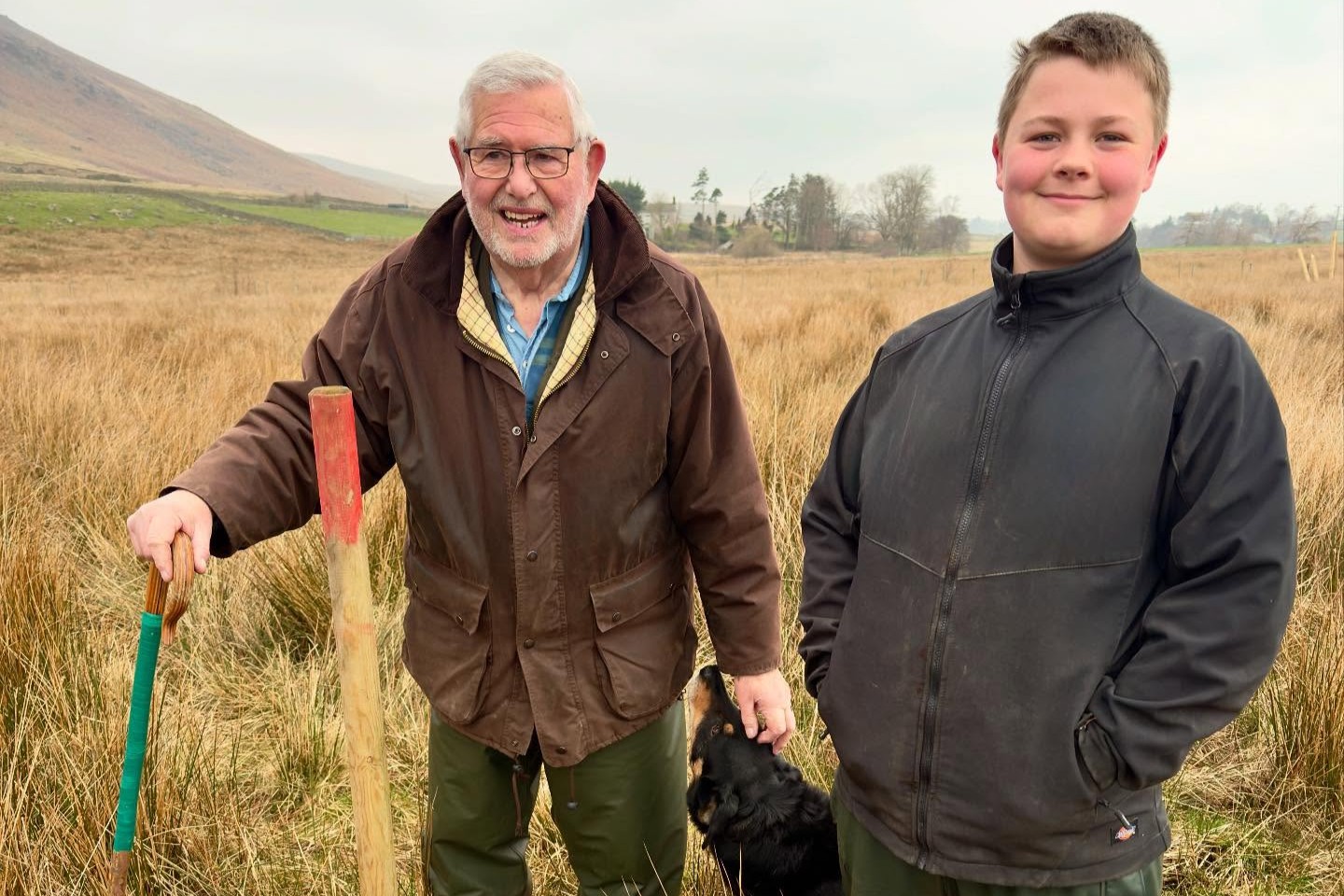
This mattered greatly to Bob, who has always been a champion of finding the right balance between farming and protecting the environment.
The solution
The solution replaced manual monitoring with automated data collection providing:
- Automated remote monitoring sensors in place of traditional dip wells
- A remotely monitored rain gauge to record rainfall and track the time between rainfall events and the corresponding rise in groundwater levels
- LoRaWAN (Long Range Wireless) connectivity to transmit data from sensors to an online platform, as WiFi did not provide sufficient range with sensors being over 500 metres from the farmhouse. This approach had the added benefits of avoiding costly SIM card contracts (each sensor would require one) and only requiring a low amount of battery-based power.
- All data is centralised into one cloud-based platform, providing continuously updated data and reports visualised through charts and dashboards.
Results
The solution replaced manual monitoring with automated data collection providing:
- 24/7 data availability: continuous electronic readings replace manual measurement
- Proactive management: early warning system prevents water table drops
- Measurable intervention impact: ability to track effectiveness of water retention measures
- Resource optimisation: freed up time to focus on core operations rather than collecting in-field measurements.
“The remote monitoring system has transformed how we manage our peatland. We now have the data we need to protect our carbon sequestration and measure whether our water retention interventions are working, whilst having more time to dedicate to sustainable farming without the need for manual readings.”
Bob Clark, Stone Ends Farm
Request a Connectivity Assessment
Get a free, no-obligation outline of what you could monitor and control remotely, with potential benefits tailored to your business’ specific needs and goals..