
Remote monitoring for conservation grazing: enhancing animal welfare
By skentel Group Limited and Grazing Management Limited
Managing grazing cattle welfare across remote UK nature reserves once meant solely relying on time-consuming long-distance travel and reactive responses to welfare issues. See how Grazing Management has benefited from using remote sensors and LoRaWAN connectivity to augment in-person visits and take a more proactive approach to welfare management, while reducing unnecessary travel, CO2 emissions, and costs.
24/7 welfare monitoring
across multiple remote sites
Early intervention
through automated alerts
Less miles travelled
Reduced Co2 emissions and costs
Grazing Management was established in 2017 after conversations with ecologists highlighted a need for tailored conservation grazing solutions. Nature Reserves needed the right animals, managed in the right way, at the right times to support biodiversity goals.
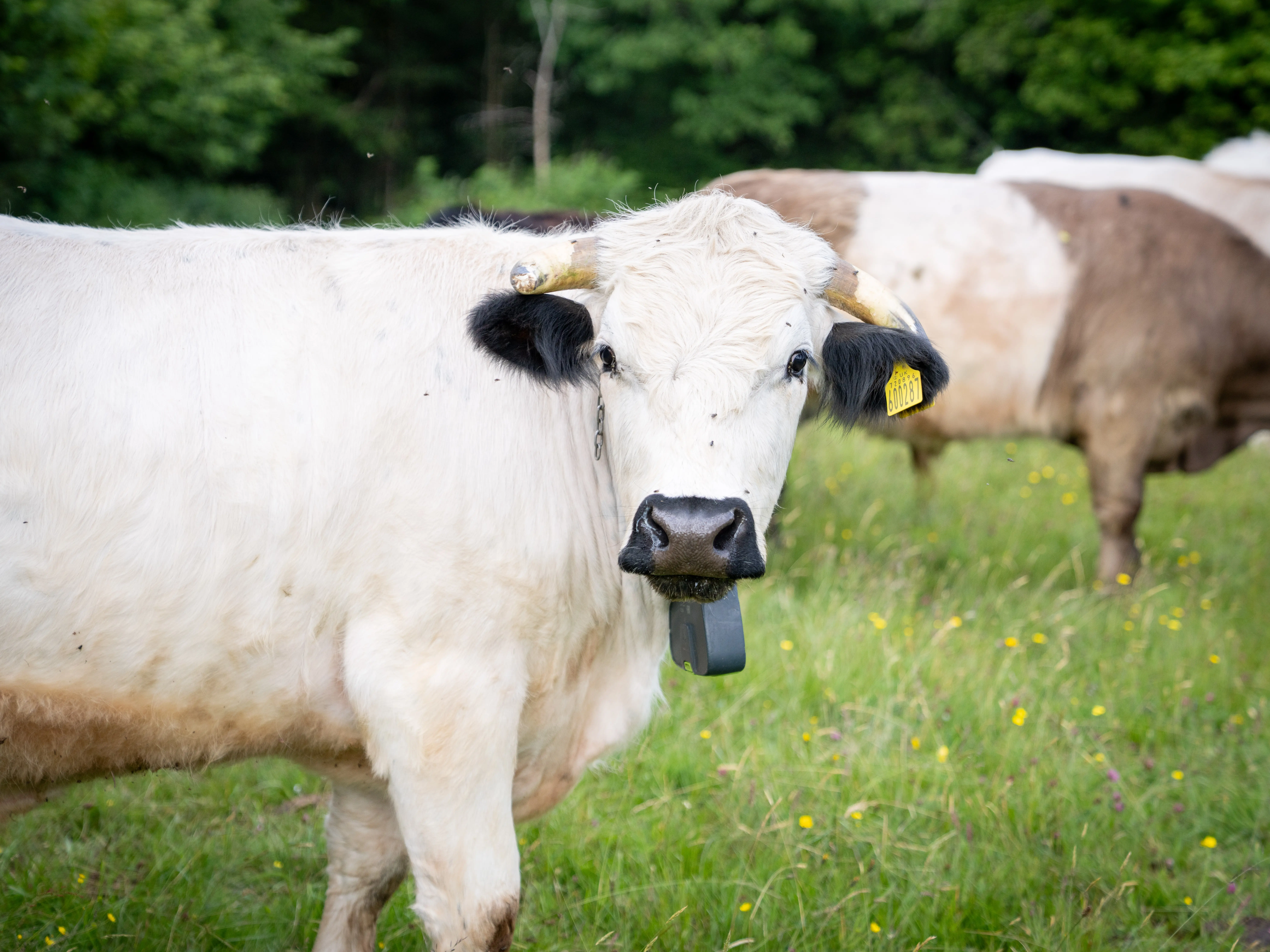
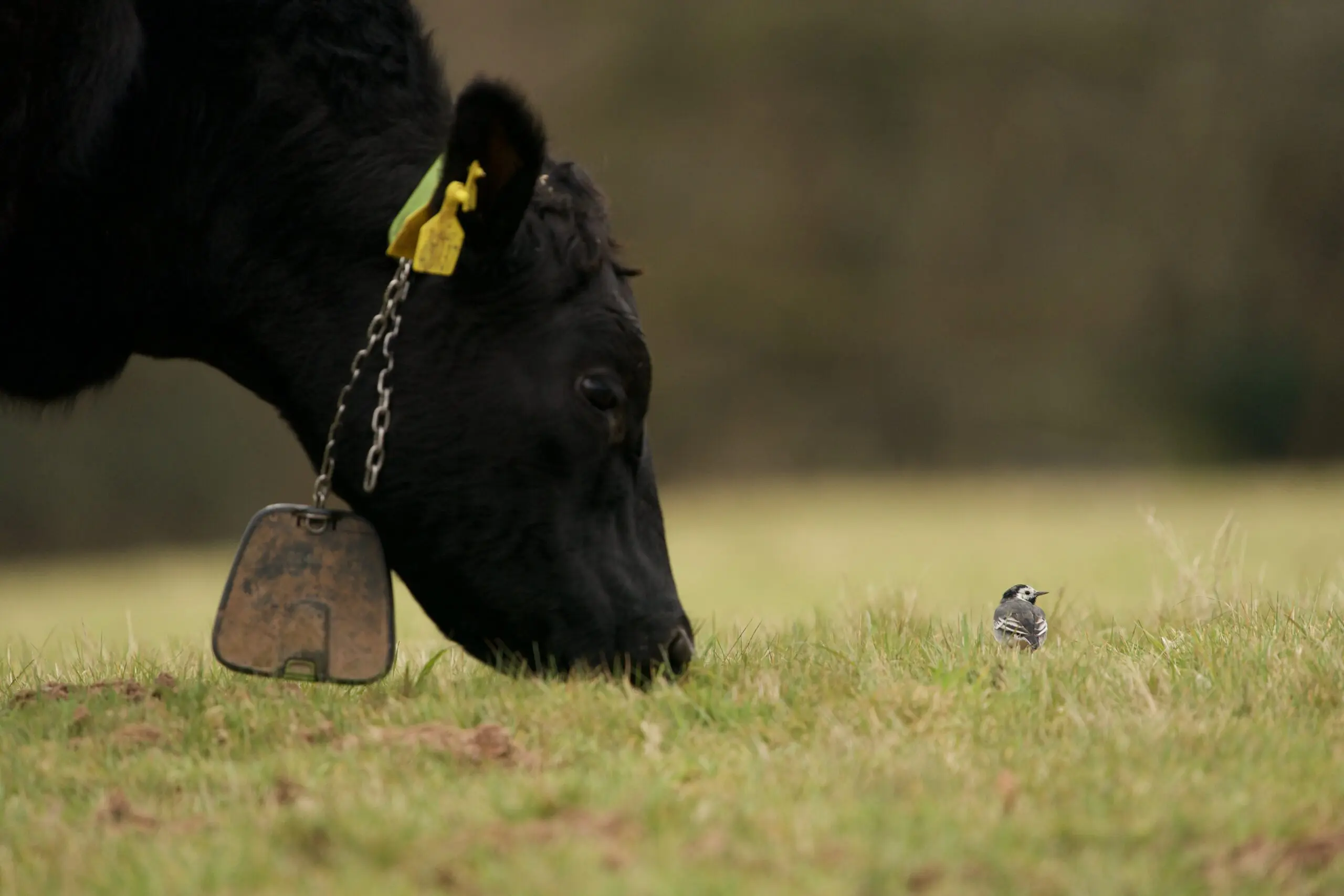
Cattle are keystone ecosystem engineers whose grazing patterns, trampling and dunging create diverse habitats for invertebrates, small mammals, birds and wildflowers. The company brings together animals and technology to deliver conservation grazing for landowners and land managers, with animal welfare at the forefront of everything they do.
The challenge
As a conservation grazing provider working with organisations across the UK, Grazing Management faces unique logistical challenges. Their cattle graze nature reserves in remote locations, often at considerable distances from their base, making frequent physical welfare checks time-consuming and resource-intensive. The team wanted a solution that would ensure continuous welfare monitoring that could augment in-person visits, making in-person long-distance travel more efficient and reducing unnecessary CO2 emissions, time and costs. The key was to get ahead of problems and be proactive, rather than reactive.
The solution
Grazing Management partnered with skentel to develop an innovative and tailored remote monitoring system. Like all remote monitoring solutions, it consisted of three key elements:
- Remote Monitoring Sensors: These consist of bolus devices, which are small electronic sensors fitted orally using an applicator coated in syrup that the animal enjoys, providing gentle distraction to avoid distress. The devices reside permanently in the animal’s stomach, continuously monitoring health and environmental parameters.
- Connectivity: The solution needed reliable connectivity to transmit data from the sensors in locations with no cellular reception. This was achieved using LoRaWAN (Long Range Wireless) gateways deployed on 6 metre-high masts to enable connectivity with 4G networks.
- Cloud-Based Central Dashboard: All data collected from individual sensors is transmitted to one central cloud-based dashboard, accessible from anywhere, at any time. The dashboard monitors key welfare parameters, including temperature, water intake, activity levels, and heat detection. Automated alerts trigger when data falls outside normal healthy ranges. When alerts are triggered, cameras installed on the LoRaWAN masts enable close inspection of the animals before people are sent to check on them in person
Results
The solution provides:
- Continuous welfare monitoring: 24/7 oversight of animal health across multiple remote sites, ensuring better welfare monitoring beyond periodic physical visits
- Early intervention capability: automated alerts when parameters fall outside healthy ranges enable the team to identify potential welfare issues at the earliest stages and respond swiftly before problems escalate
- Resource optimisation: reduced reliance on frequent long-distance travel for physical checks, freeing up time for strategic conservation work
- Environmental benefits: CO2 reductions associated with reduced mileage (quantification work in progress)
“This pilot project has shown great promise to transform the way we care for our conservation grazing herds. We are looking forward to further developing this technology for our work at Grazing Management.
Beyond our own operations, we can also see the potential for this system to support other biodiversity and rewilding projects, such as those funded by DEFRA through the ADOPT fund”
Alex Crawley
Founder and Director – Grazing Management
Request a Connectivity Assessment
Get a free, no-obligation outline of what you could monitor and control remotely, with potential benefits tailored to your business’ specific needs and goals..